Bianca Lang · 27 September 2026
Avalanche Pathways and Their Unexpected Effects on Nutrient Cycling Across Remote Highland Terrains
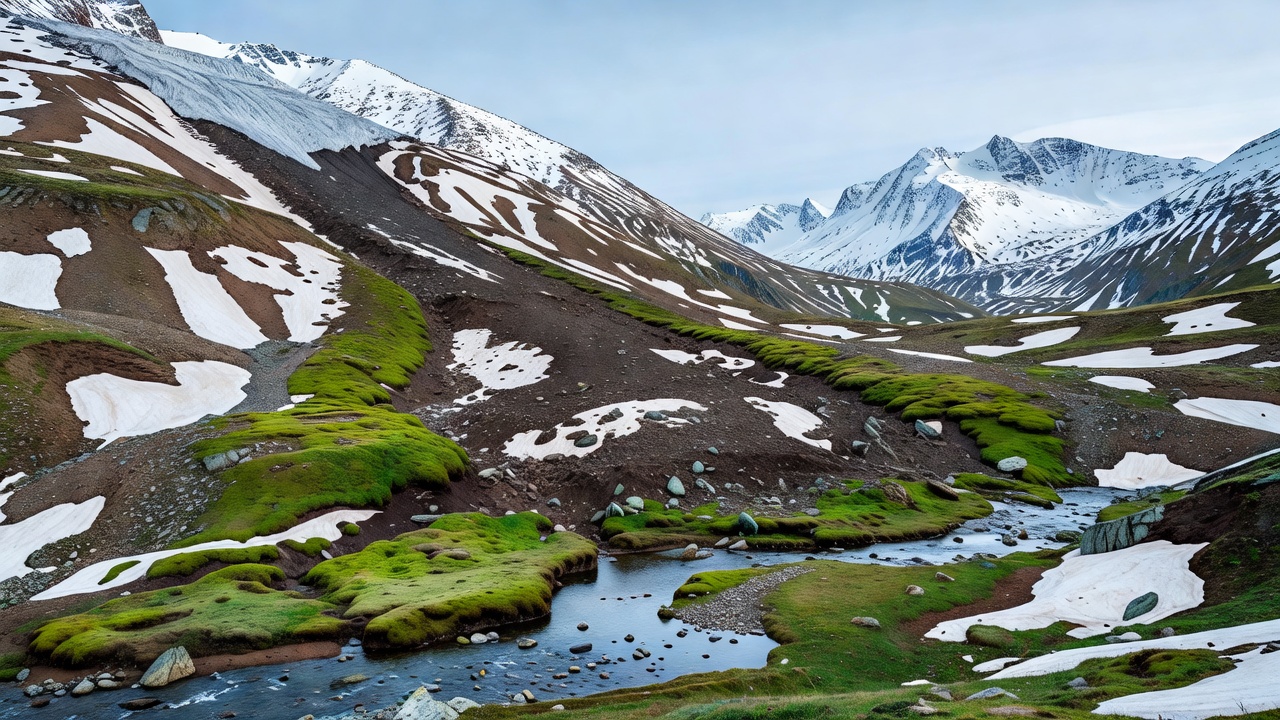
Remote highland terrains experience regular avalanche activity that reshapes slopes and influences soil dynamics in measurable ways, researchers have documented across multiple mountain ranges. Avalanche pathways develop when accumulated snowpack reaches critical instability, often triggered by weather patterns or slope conditions, and these routes repeatedly follow established corridors due to topography and snow accumulation habits. Data from long-term monitoring stations show that such pathways disturb surface layers repeatedly, mixing mineral horizons with organic material and redistributing elements like nitrogen, phosphorus, and potassium downslope.
Formation and Characteristics of Avalanche Pathways
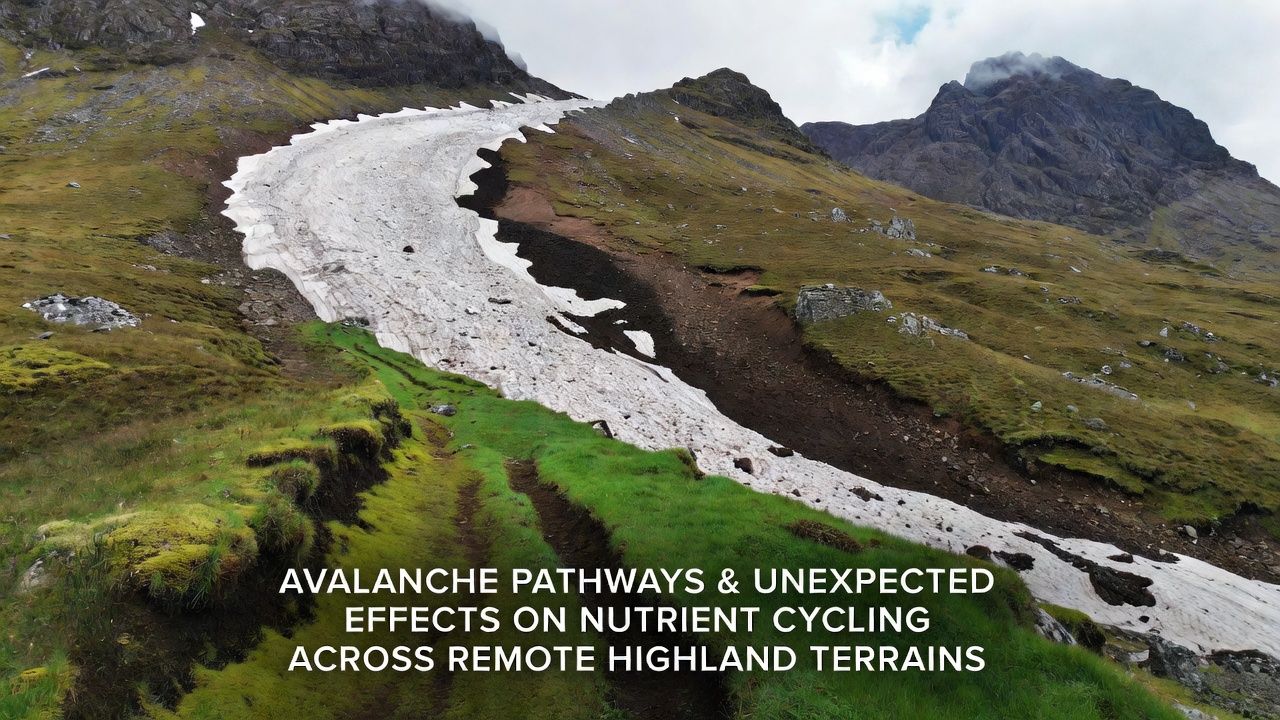
Avalanche pathways typically originate in starting zones above treeline where steep gradients exceed thirty degrees, then accelerate through track sections that channel debris and snow at high velocities. Researchers note that these corridors often terminate in runout zones where momentum dissipates and material deposits in fan-shaped patterns. Studies conducted in the Canadian Rockies reveal that repeated events compact soil in tracks while depositing nutrient-rich sediment in lower areas, creating gradients in fertility that differ from undisturbed slopes. Soil core samples collected along these routes indicate elevated levels of exchangeable cations in deposition zones compared to adjacent unaffected terrain, according to analyses published by Environment and Climate Change Canada.
Impacts on Soil Structure and Nutrient Redistribution
Soil structure undergoes significant alteration when avalanche forces shear away vegetation and topsoil, exposing mineral substrates that weather more rapidly under freeze-thaw cycles. This exposure accelerates the release of base cations and trace elements into available pools, while organic debris mixed into the soil increases microbial activity in subsequent seasons. Observers note that phosphorus cycling shows particular sensitivity because avalanches transport organic-bound forms from upper slopes and concentrate them in runout areas where decomposition proceeds under different moisture regimes. Field measurements taken over multiple winters demonstrate that nitrate concentrations fluctuate sharply in the first growing season after an event, with peaks occurring as buried vegetation decomposes and releases stored nitrogen.
Effects on Vegetation and Microbial Communities
Vegetation recovery follows distinct patterns along avalanche pathways, with pioneer species colonizing disturbed tracks more quickly than surrounding areas because of increased light exposure and altered nutrient availability. Grasses and forbs often dominate initial recolonization, their root systems stabilizing freshly deposited material while drawing on redistributed phosphorus and potassium reserves. Microbial communities respond to these changes as well, researchers have found, with bacterial populations shifting toward decomposers that process the influx of fresh organic matter and fungal networks reestablishing more slowly in compacted track zones. One study from the European Alps tracked enzyme activity across avalanche-affected plots and recorded higher rates of cellulase and phosphatase activity in deposition zones during the first two years post-event, indicating accelerated breakdown of complex organic compounds.
Carbon cycling receives indirect influence because avalanches bury woody debris and litter that would otherwise decompose slowly on the surface, sequestering portions of that carbon deeper in the soil profile where anaerobic conditions can limit further breakdown. At the same time, exposed mineral surfaces in tracks increase rates of carbon mineralization once vegetation returns, creating a net balance that varies with avalanche frequency. Data collected from sites in the Southern Alps of New Zealand show that pathways experiencing events every three to five years maintain higher soil organic carbon stocks in runout zones than less frequently disturbed slopes, though total ecosystem carbon remains lower overall due to reduced biomass above ground.
Regional Variations and Monitoring Data
Highland regions differ in how avalanche pathways interact with nutrient cycles based on bedrock type, precipitation patterns, and elevation. Limestone-dominated areas release calcium and magnesium more readily after disturbance, whereas granitic terrains contribute higher silica and potassium loads to downslope deposits. Monitoring programs operated by the United States Geological Survey have tracked these differences across several western ranges, compiling datasets that link avalanche return intervals to measurable shifts in soil pH and nutrient ratios. Recent observations from September 2026 field campaigns in the Sierra Nevada indicate that pathways active during the prior winter delivered measurable pulses of ammonium to lower slope soils, with concentrations declining steadily through summer as plant uptake and microbial immobilization proceeded.
Conclusion
Avalanche pathways function as dynamic agents of nutrient redistribution in remote highland terrains by repeatedly disturbing soil profiles, transporting organic and mineral material, and creating spatial heterogeneity in fertility that shapes subsequent ecological processes. Long-term studies continue to quantify these interactions across diverse mountain systems, revealing consistent patterns in element cycling that reflect both the physical force of events and the biological responses that follow. Continued monitoring supports improved understanding of how these natural disturbances maintain soil function and influence vegetation patterns over decadal timescales.